

 Share


Shenzhen: Where APEC's three pillars of connectivity converge 深圳:APEC三大互联互通支柱的交汇点
Editor: Lin Jiayi | Updated: 2026-10-21
Eduardo Pedrosa
Executive director of the APEC Secretariat
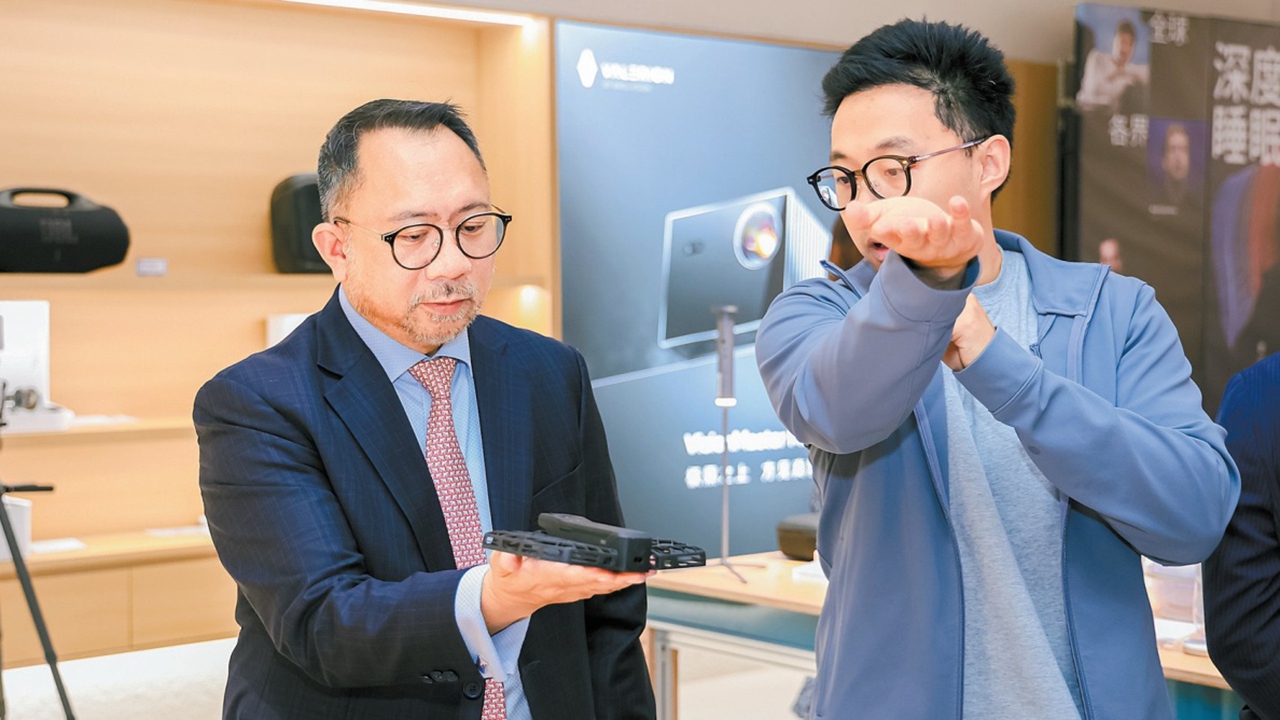
Eduardo Pedrosa, executive director of the APEC Secretariat, holds a drone camera during a visit to INNO100, a global innovation hub at Shenzhen Bay Cultural Plaza in Nanshan District, on May 6. Qiu Weibin
Shenzhen brings together APEC’s three forms of connectivity: physical links, institutional cooperation, and people-to-people exchange.
The city’s innovation is powered by human connection. Pedrosa was impressed by how engineers, designers, and entrepreneurs work closely together to turn ideas into products quickly.
Interoperability matters more than uniformity. APEC should help different economies’ systems work together while respecting their distinct cultures and laws — for example, enabling digital services to function across borders.
APEC can bridge gaps in a rapidly changing digital world. By bringing governments, businesses, and other stakeholders into dialogue, it can help prevent incompatible technologies and policies.
Practical cooperation is more valuable than rhetoric. APEC’s work on AI and paperless trade shows how concrete projects, supported by private-sector input, can keep policy relevant to innovation.
Shenzhen’s transformation reflects the future-facing direction of APEC. Pedrosa expects the 2026 summit to focus on innovation and the future, in line with China’s development goals and APEC’s long-term vision.
Technology should serve people and support shared prosperity. He sees the ultimate purpose of innovation and connectivity as improving the lives of people across the Asia-Pacific.
Local volunteers represent Shenzhen to the world. He encouraged them to embody the city’s openness and vitality.