

 Share


Hosting APEC unlocks new opportunities for Shenzhen 举办APEC为深圳带来新机遇
Editor: Lin Jiayi | Updated: 2026-10-21
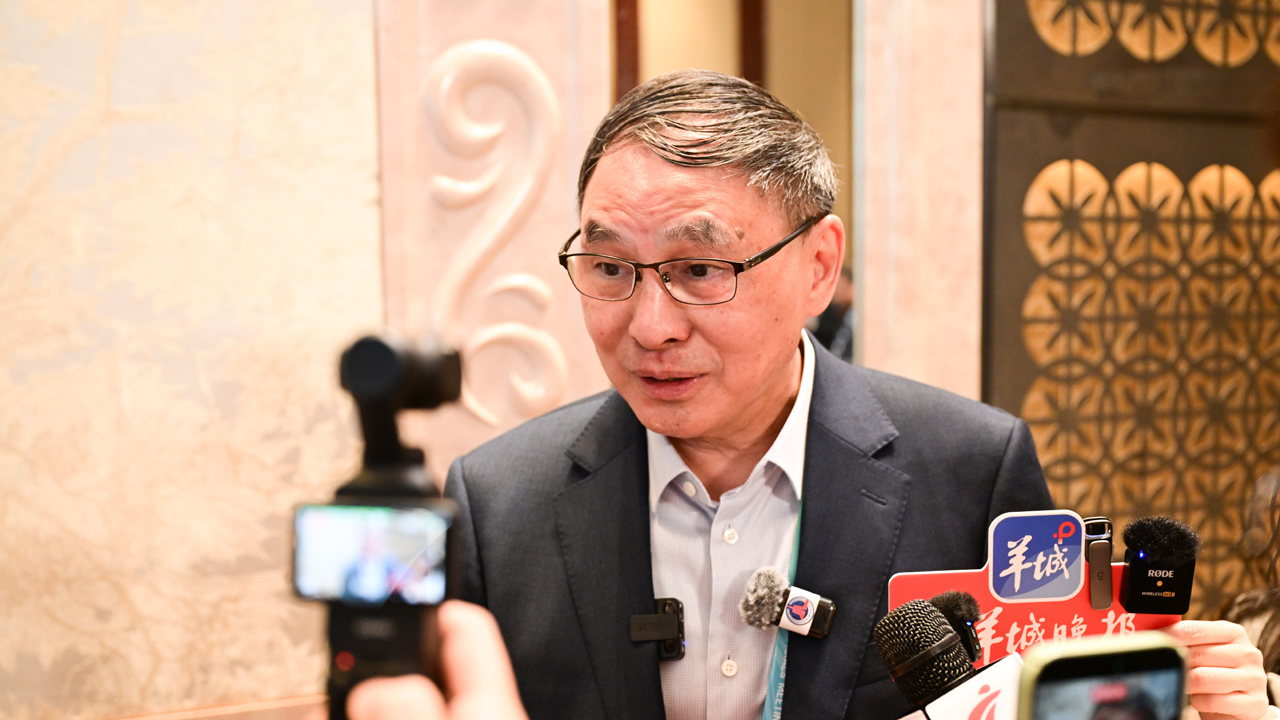 Zheng Yongnian
Dean of the School of Public Policy at The Chinese University of Hong Kong, Shenzhen, and president of the Institute for International Affairs, Qianhai
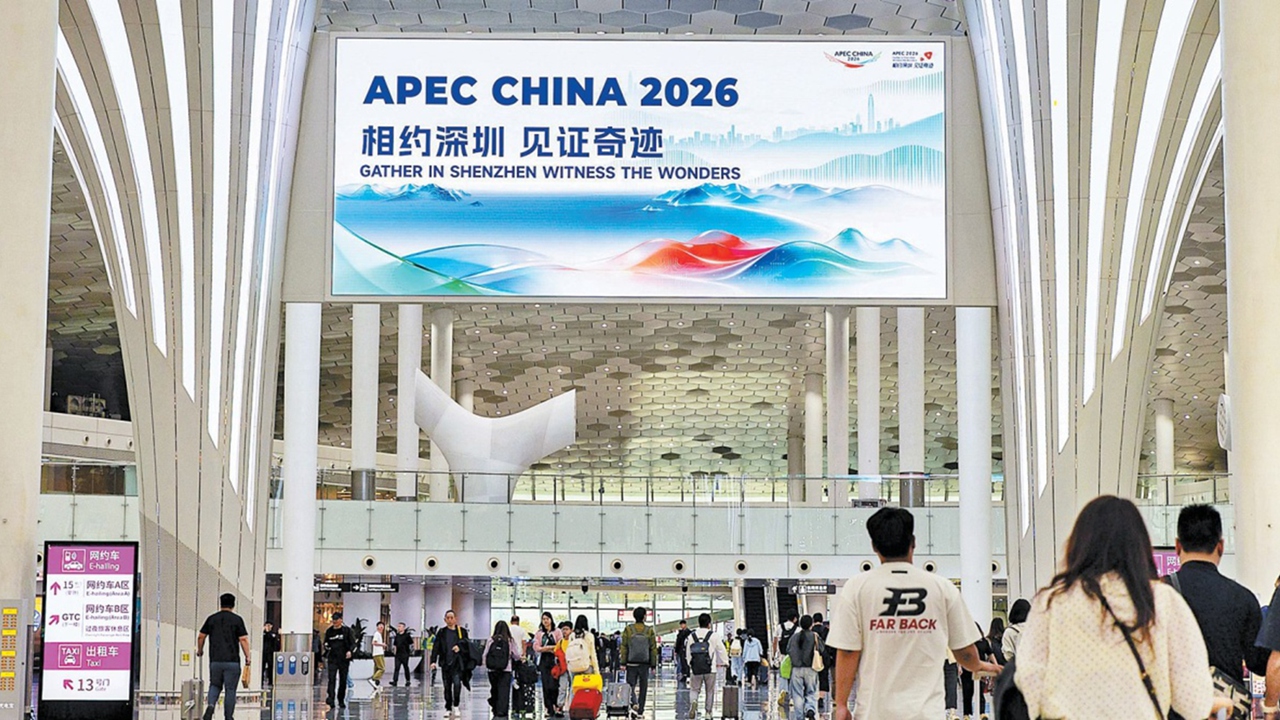
A large APEC billboard is displayed at Bao'an International Airport to welcome the 33rd APEC Economic Leaders' Meeting in November. Bi Han
China must remain open to the world. Zheng argues that Chinese modernization cannot succeed behind closed doors. Because China’s economy is deeply connected to global markets, it needs an even higher level of openness.
APEC is a major opportunity for Shenzhen. The Asia-Pacific has been a leading center of economic growth and stability, and Zheng sees Shenzhen’s position linking Hong Kong and Guangzhou as one reason it is well suited to host the meeting.
Shenzhen’s strengths match APEC’s themes. Openness, innovation, and cooperation are central to the city’s development. Its transformation from a small fishing village into a major metropolis offers a practical example of what reform and innovation can achieve.
High-level opening-up requires more than trade. Zheng identifies three pillars: inclusive multilateralism, alignment with international rules and standards, and unilateral steps to open up. He also urges Shenzhen to move beyond internationalizing goods and expand the international presence of its talent, institutions, and governance.
Shenzhen can contribute to other economies. APEC can help Shenzhen become more international, while Shenzhen’s development experience can offer lessons and confidence to emerging economies in the region.
The city should combine openness with strong execution. Zheng calls for further market opening and more high-quality, internationally active companies. He also stresses professional, meticulous preparations that turn national policies into concrete local action.
Hosting APEC is a shared responsibility. Zheng encourages residents to build international awareness, welcome visitors, and help present Shenzhen positively to the world.