
 Share


City of Superchargers 超充之城
Updated: 2026-09-01
In Shenzhen, charging a new-energy vehicle is becoming more convenient than filling up a gasoline car. As of February 2026, the city had built 536,000 charging facilities and 1,098 ultra-fast charging stations. By July, the number of high-power ultra-fast charging stations capable of delivering 480 kilowatts or more had reached 1,227. Shenzhen was the first city in the world to have more ultra-fast charging stations and charging guns than gasoline stations and fuel pumps. The promise of “a cup of coffee, and you’re ready to go with a full charge” is no longer a slogan—it is becoming part of everyday life.
在深圳,给新能源车充电,正变得比加油还方便。截至2026年2月,全市已建成充电设施53.6万个、超充站1098座;到2026年7月,480千瓦以上大功率超充站已达1227座。深圳在全球率先实现超充站、充电枪数量双双超越加油站、加油枪,“一杯咖啡,满电出发”从口号走进了日常。
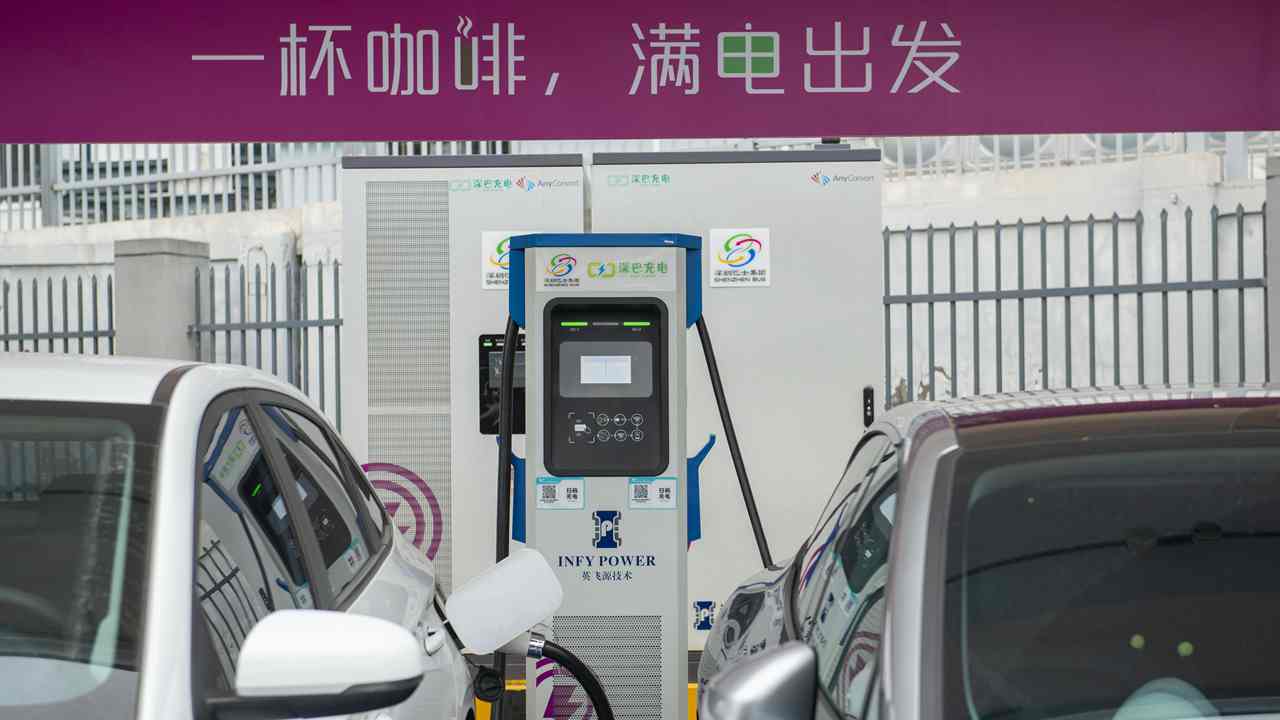
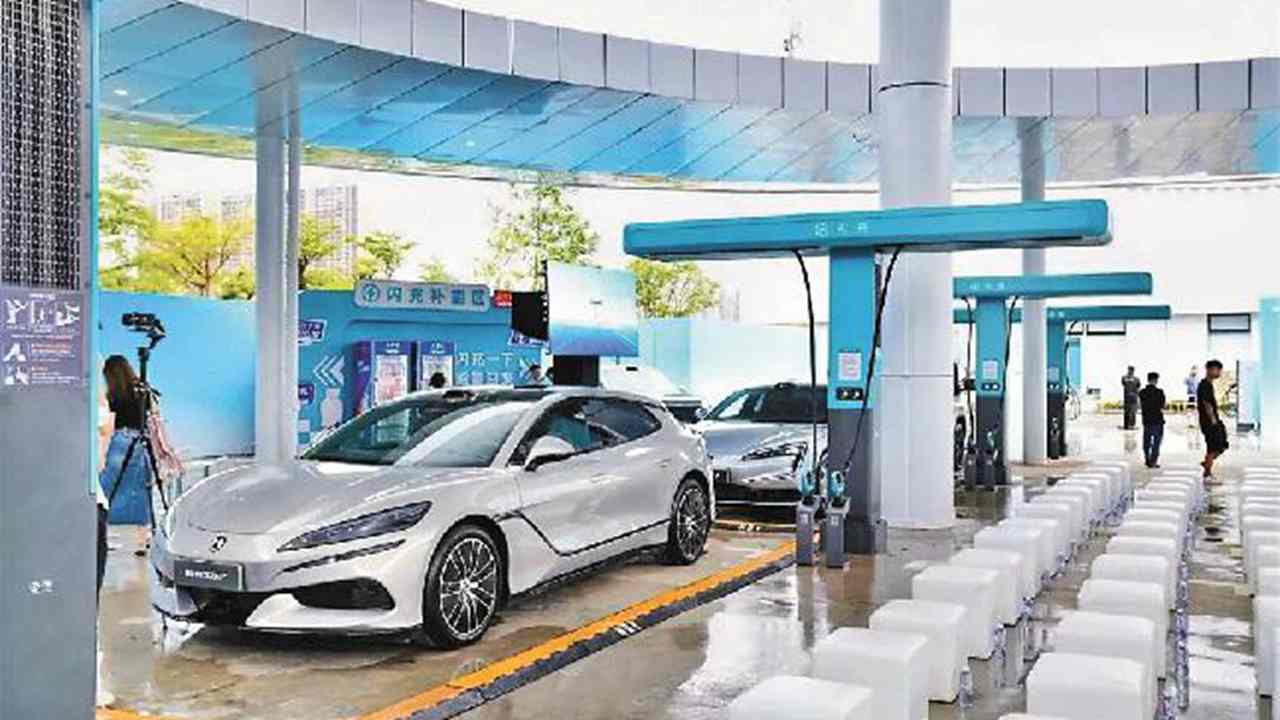
That confidence is backed by strong demand. Shenzhen was the first city in China to achieve 100% electrification of its public buses and taxis. In 2023, the city first put forward its vision of becoming a “City of Supercharging.” Huawei’s liquid-cooled ultra-fast charging technology, capable of delivering up to 480 kilowatts, helped turn the idea of a full charge during a coffee break into reality. In 2024, CATL’s Qiji chassis-swapping solution for electric heavy-duty trucks cut the upfront vehicle cost by more than half for the first time, opening a new path toward low-carbon heavy transport. In 2025, Huawei and BYD simultaneously unveiled megawatt-level charging technologies, helping Shenzhen usher in a new era in which electric vehicles can refuel at speeds comparable to gasoline vehicles. Today, a one-kilometer ultra-fast charging network covering residential communities, commercial districts, highways and industrial parks is largely in place. More than 100 demonstration stations integrating solar power generation, energy storage and EV charging have also been built.
这份底气,来自需求端的“满格”渗透。深圳率先在公交车、出租车领域实现100%电动化。2023年深圳首次提出打造“超充之城”,华为液冷超充实现480千瓦充电功率让“一杯咖啡,满电出发”成为现实;2024年时代骐骥底盘式换电方案让电动重卡首次购车成本降低超五成,为重型交通低碳转型开辟新路径;2025年华为、比亚迪同步发布兆瓦级充电技术,在全国率先开启“油电同速”新时代。如今,覆盖社区、商圈、高速、园区的“一公里超充圈”基本成型,光储充一体化示范站超百座。
The industrial foundation behind this transformation is equally strong. Shenzhen introduced one of China's first sets of local standards for ultra-fast charging infrastructure and was among the first cities to scale up fully liquid-cooled ultra-fast charging and megawatt-level fast-charging technologies. Local companies including Infypower, Huawei, Sinexcel and ZTE collectively account for more than 70% of China's charging-module market. As one of the first cities selected for China's large-scale vehicle-to-grid pilot program, Shenzhen has also built the country's first integrated “solar-storage-charging-discharging” energy network and a virtual power plant management platform. The virtual power plant can adjust more than 1.4 million kilowatts of electricity demand in real time. In other words, new-energy vehicles are no longer simply consumers of electricity. They are becoming the city's “mobile power banks.”
产业端的支撑同样硬核。深圳出台全国首批超充地方建设标准,率先规模化落地全液冷超充、兆瓦级闪充技术;英飞源、华为、盛弘、中兴等本土企业的充电模块,合计占据全国市场超七成份额。作为国家首批车网互动规模化应用试点城市,深圳建成全国首个“光储充放一张网”和虚拟电厂管理平台,虚拟电厂实时可调负荷超140万千瓦——新能源车不仅是“用电户”,更成为城市的“移动充电宝”。
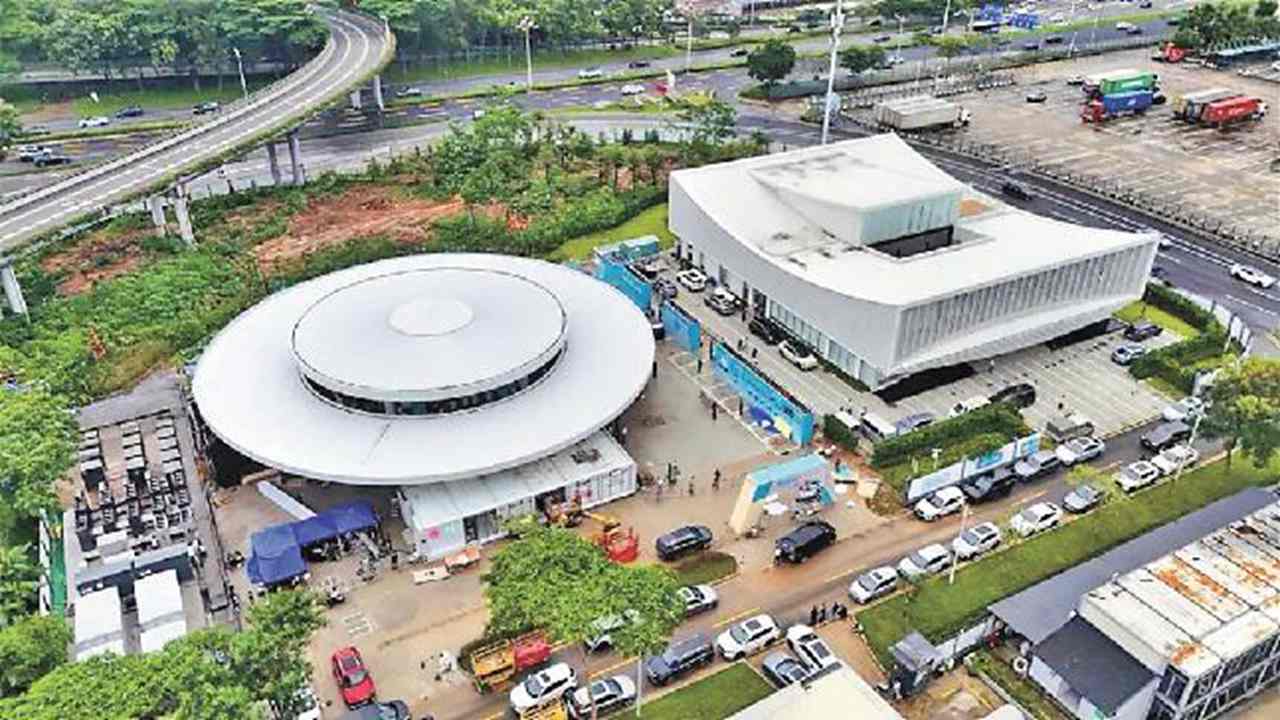
As Shenzhen moves from Supercharging 1.0 to 2.0, the city is turning green and intelligent energy into another global calling card.
从超充之城1.0迭代到2.0,深圳正把绿色智慧能源,锻造成又一张面向全球的城市名片。