
 Share


City of Parks 千园之城
Updated: 2026-09-01
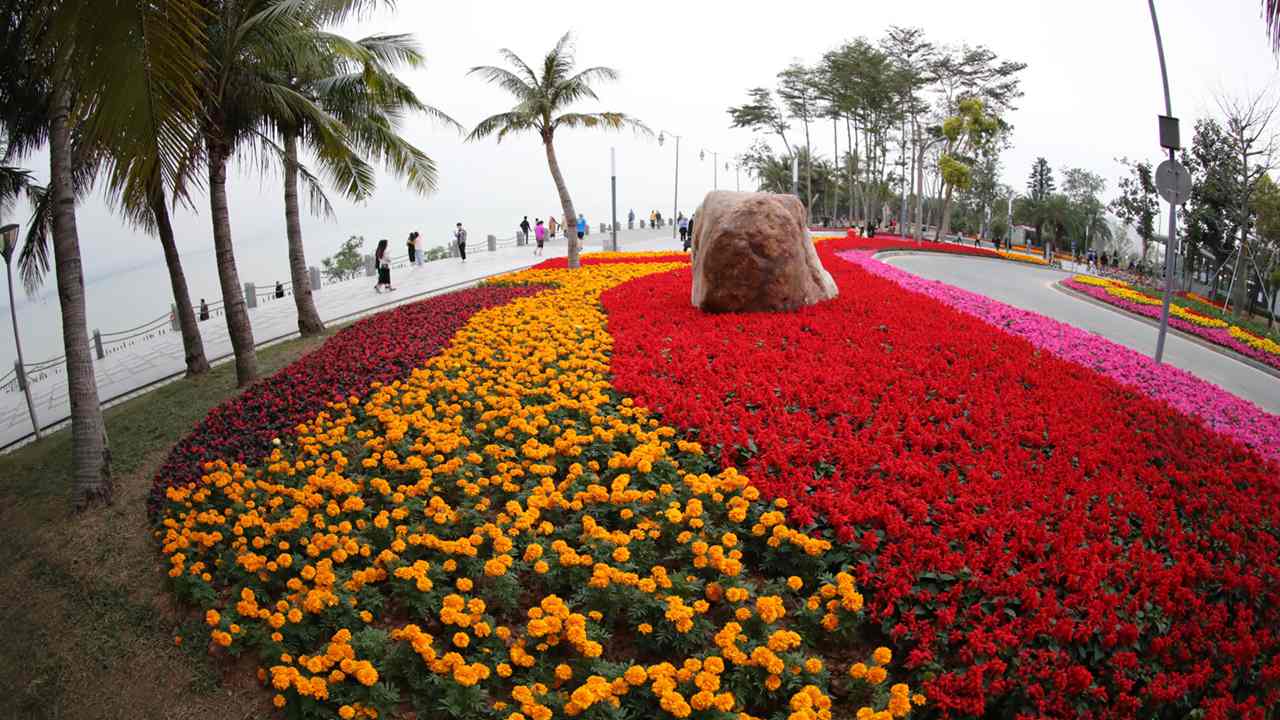
Shenzhen covers an area of less than 2,000 square kilometers — just a fraction of other first-tier cities in China. Yet within this densely built, high-value urban landscape, the city has developed over 1,350 parks, with park and green open space service radius coverage reaching 91 percent. For residents, green space is never far away — whether for taking children to play, working out, or simply unwinding. In addition, the Community Garden Program launched in 2019 has turned the vision of "stepping out of home into a park, and opening a window to greenery" into reality.
深圳的面积不足2000平方公里,是其他一线城市的数分之一。但就是在这高楼林立、寸土寸金的地方,建成了1350多座公园,公园绿化活动场地服务半径覆盖率达到91%。这对市民而言,绿色空间近在咫尺,遛娃、健身、休闲触手可及。此外,深圳自2019年启动的共建花园计划,更是让“出门入园,推窗见绿”的美好遐想照进现实。
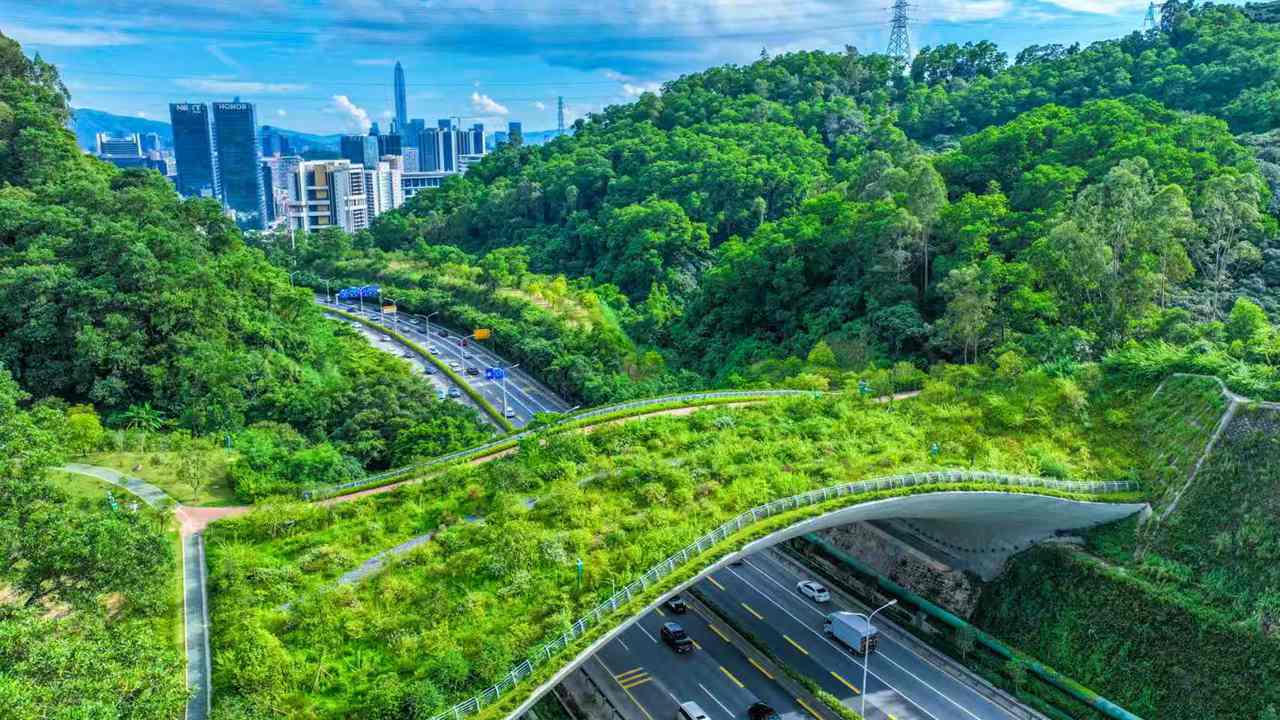
From urban parks visible just outside the window, to hiking trails linking the city like beads on a string, to the restored mangroves along clear shores — the "Mountain-Sea Vista" landscape is becoming an everyday reality for Shenzhen residents. Rooted in its unique geography of "half mountains, half city," Shenzhen has strategically balanced ecological, production, and living spaces. It has shaped the "one ridge, one belt, and 20 corridors" ecological framework, developed the "Three Trails and Three Routes" as signature long-distance hiking routes, and established a comprehensive ecological protection system spanning from mountain peaks to ocean shores. In particular, the 200-kilometer Kunpeng Trail serves as a window for Shenzhen to share its story of ecological civilization with the world. By restoring ecological networks, repairing fragmented habitats, and creating an urban eco-recreation network that "connects mountains, reaches the sea, runs through the city, and links points of interest," the city has made the trails feel both crafted and natural — returning wilderness trails to their authentic character and achieving a balanced coexistence of urban and wild spaces where all life thrives.
而从推窗见绿的城市公园,到串珠成链的远足径道,再到水清滩净的红树林湿地,“山海连城”的美景正在成为深圳人可感可及的生活日常。深圳立足“一半山水一半城”,科学布局“三生”空间。构建“一脊一带二十廊”魅力生态骨架,打造“三径三线”郊野径特色品牌,构建从山顶到海洋的全要素、全链条生态保护体系。特别是蜿蜒200公里鲲鹏径是深圳向世界讲述中国生态文明故事的一扇窗口,通过重塑生态网络、修复生态断点、形成“通山、达海、贯城、串趣”的城市生态游憩网络,虽为人造,宛如天成,让山野步道回归自然本真,实现了都市、荒野的有序保留与万物共生的生态愿景。
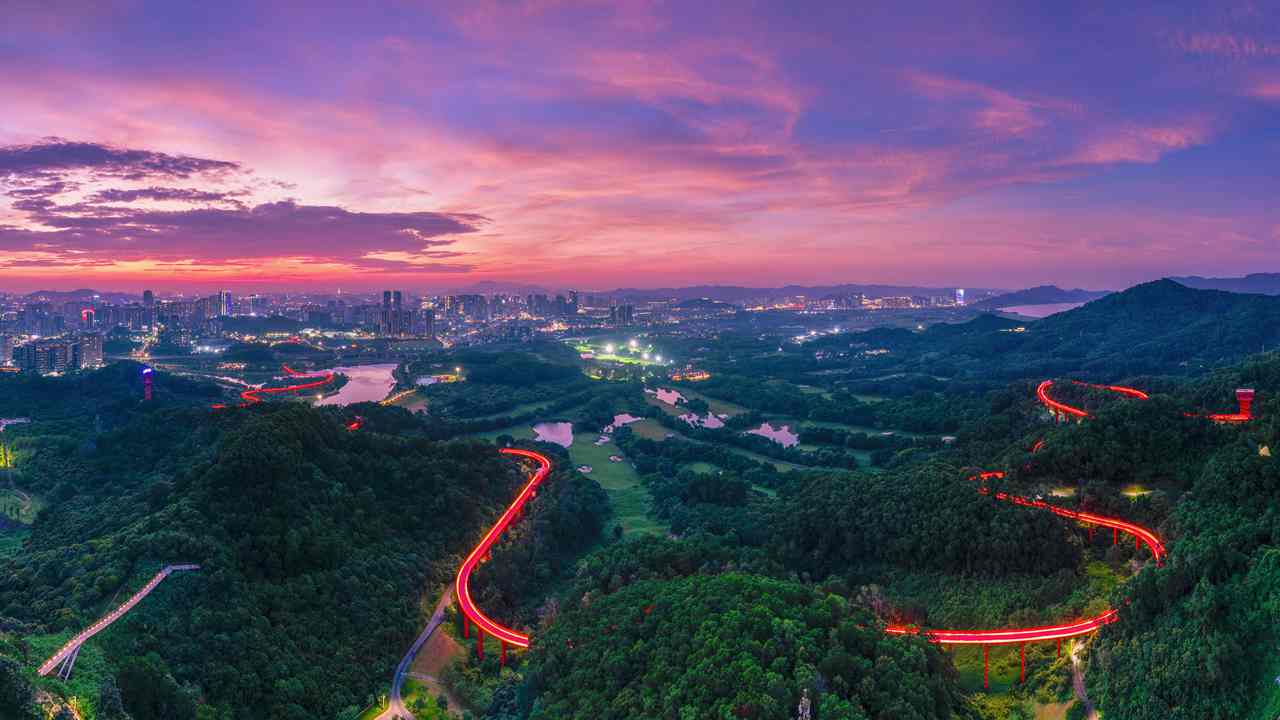
The city's forest coverage rate stands at 39 percent, its river and lake ecological shoreline ratio at 65 percent, and its natural shoreline retention rate at 43.8 percent.
全市森林覆盖率39%,河湖生态岸线占比65%,自然岸线保有率43.8%。
Shenzhen is staying true to its long-term vision and upgrading to the "Mountain-Sea Vista 2.0" initiative — transforming the "City of a Thousand Parks" into a city within nature and building a city-wide park system. Ecology and innovation reinforce each other, as green veins merge with cultural heritage, and a voluntary commitment to green living is promoted. The city continues its drive to create a modern, livable homeland where people and nature coexist in harmony.
深圳正坚持一张蓝图绘到底,升级实施山海连城2.0计划,“千园之城”升级为大自然中的城市,建设全域公园城市,生态与创新双向赋能,融汇绿脉文脉,倡导绿色自觉,持续打造人与自然和谐共生的现代化美好家园。